Fostering Strong CRO Partnerships for Trial Success
The complexity of oncology research stems from multiple factors: public health priorities in prevention and care, disparities in access to treatment within and across countries, the significant resources required for development and financing, and the rapid rise of technologies such as AI and digital tools. These innovations offer immense potential but also pose challenges for validation within a strict regulatory framework. This creates a multifactorial environment where all partners must align in the patient’s best interest, because for the patient, this is the challenge of a lifetime.
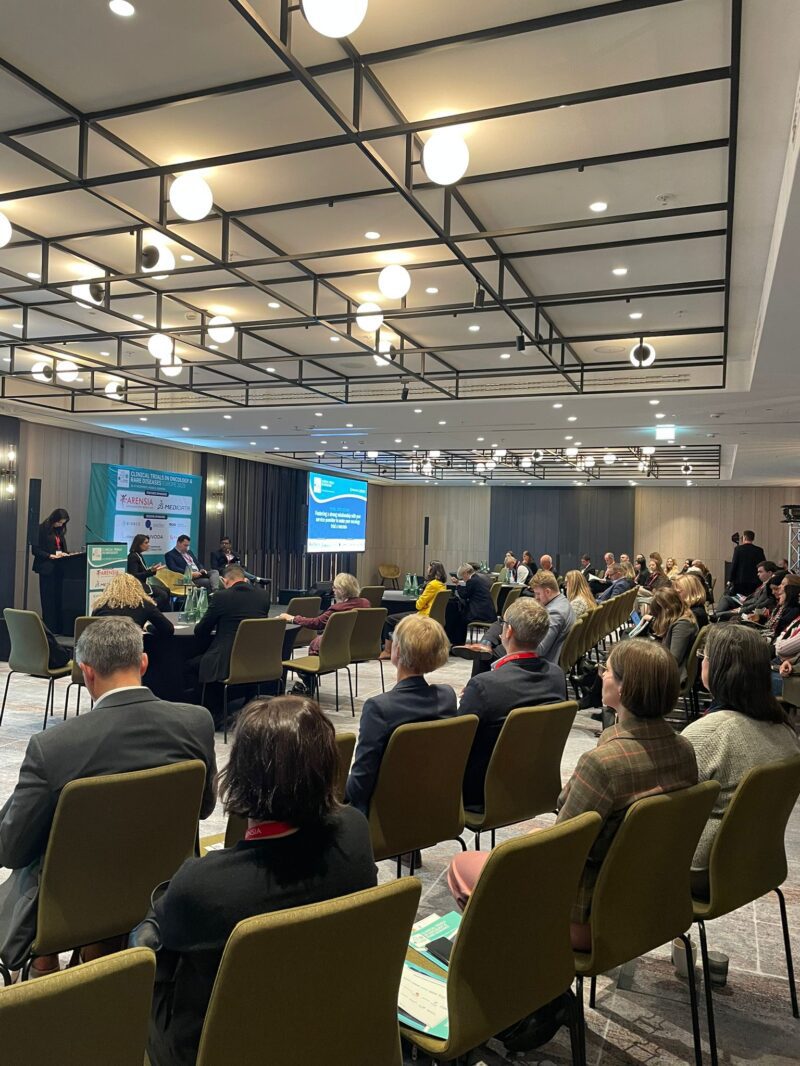
Recent insights shared at the 12th Annual Clinical Trials in Oncology Europe Conference in Munich confirm the scale of the problem: 80% of trials fail to meet recruitment targets, despite massive investments, with projects averaging four years and over $70 million. Every month of delay impacts budgets and adds pressure on studies and investors, sometimes to the detriment of the trial itself.
At EXCELYA, we believe the key lies in simplification, focusing on critical variables, consolidating startup with maximum predictability, and implementing a shared risk management approach with sponsors and stakeholders. This enables powerful, patient-centric oversight and data quality, while avoiding endless expansion of ancillary research just to “deliver something.” Achieving this requires full strategic alignment and a true partnership model with autonomous teams empowered to make decisions.
We eliminate the inertia that can weigh heavily on the success of a project. It’s time to move from transactional vendor relationships to genuine, collaborative partnerships.
Moving Beyond Ad Hoc Selection
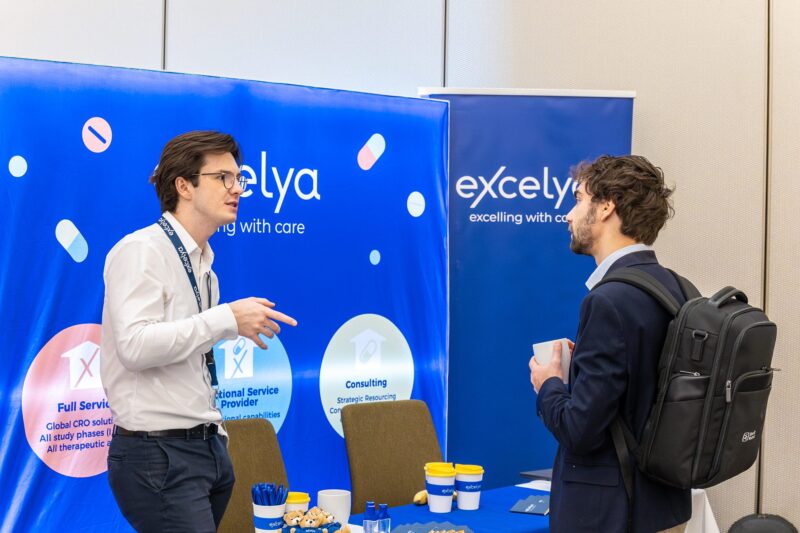
For many emerging biotechs, selecting a CRO is often a relationship-driven process, sometimes lacking structured performance benchmarks. While relationships are vital, relying solely on an ad hoc approach can lead to delays and inconsistent quality down the road.
Excelya advocates for a modern selection process grounded in transparency and data. By utilizing clear scorecards, feasibility benchmarks, and regional capability maps, we can establish a solid foundation before a single patient is enrolled. When we define expectations clearly from the start, we replace uncertainty with predictability.
Furthermore, a structured process can help to identify and address any potential biases in the selection process. By using data and metrics to evaluate candidates, we can reduce the impact of unconscious biases and ensure a fair and equitable selection process for all involved.
In addition to creating a more efficient and effective recruitment process, utilizing data in candidate selection can also lead to better outcomes for patients. By selecting individuals with high levels of competency and cultural fit, as we do in Excelya, we are setting ourselves up for success in providing quality care for our patients.
The long-term benefits far outweigh any initial challenges. With proper planning and collaboration, we can create a streamlined process that not only saves time but also leads to better results for our partners and patients.
The “One-Team” Approach
Your challenges become ours. That is the core of a successful partnership. A CRO shouldn’t just be a service provider executing tasks; we should be an extension of your team, fully aligned with your mission.
To achieve this, we recommend aligning incentives through shared Objectives and Key Results (OKRs). When CROs, sites, and sponsors are united by shared goals, we create a powerful synergy. This “one-team” mindset fosters a culture where we can candidly discuss risks, proactively solve problems, and celebrate milestones together.
By establishing transparent governance frameworks, we ensure that communication flows freely. This structure allows us to align priorities effectively, ensuring that operational speed never comes at the cost of scientific integrity or patient welfare.
Accelerating Success Together
The goal of a strong partnership is to transform complexity into clarity. By combining clinical rigor with a partnership mindset, we can achieve remarkable things together.
When we collaborate closely, we can implement strategies that directly address the mounting challenges in oncology trials. From cross-functional kickoffs that enable rapid site activation to digital-first operations that reduce patient burden, a cohesive partnership accelerates every stage of the development lifecycle.
We are optimistic about what we can achieve when we work side-by-side. By fostering strong relationships built on trust, structure, and shared passion, we can excel in developing life-changing therapies.
Let’s Build a Solution Together
Are you ready to transform your clinical trial experience? We are eager to grow with you and help you navigate the complexities of oncology research. Let’s combine our insights and expertise to support your critical needs. Reach out to us today, and let’s find a solution together.