Excelya Events 2026
Excelya’s Takeaways from CDISC Europe 2026
Expert insights on SDTMIG v4.0, Dataset-JSON, CORE automation, USDM, and CDISC 360i what Milan’s 2026 Interchange means for clinical data standards teams.
Published on: 22/05/2026
Introduction, from the floor of Milan
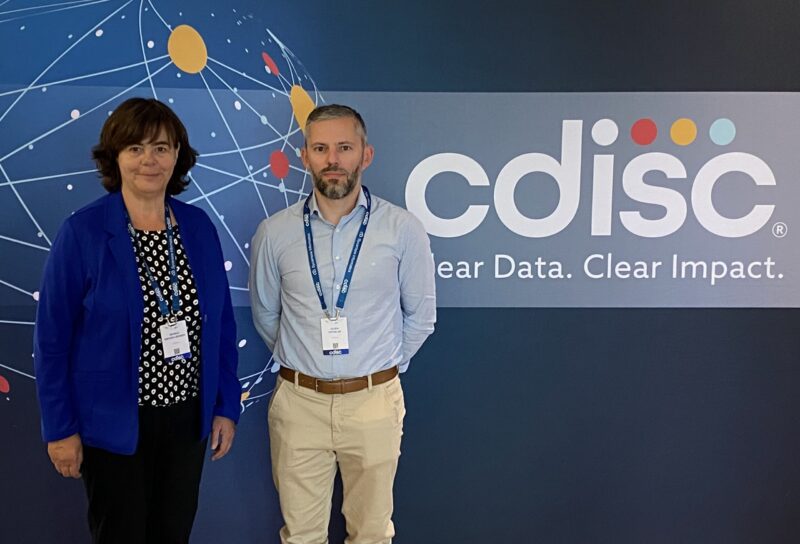
CDISC Europe Interchange 2026 in Milan centered on three concrete shifts: the release of SDTMIG v4.0, continued momentum behind Dataset-JSON as a modern alternative to legacy XPT transport, and growing adoption of CORE for automated compliance checking against IG rules. We are enthusiastic about the insights shared this year. The discussions focused heavily on streamlining processes and embracing new technologies. By sharing these takeaways, we hope to support your critical needs and build collaborative solutions
Europe’s Trusted Biometrics Community
Why is the CDISC Europe Interchange 2026 important?
CDISC Europe annual conference in Milan is a vital meeting point for professionals dedicated to improving clinical research. It sets the direction for how we collect, manage, and submit clinical data. Establishing unified standards means we can reduce manual work, minimize errors, and avoid costly delays.
“
For pharmaceutical companies and Contract Research Organizations (CROs), these developments represent a massive leap forward. Transitioning to machine-readable formats and automated workflows means faster time-to-market for vital treatments. It also shifts the burden away from manual data entry, allowing biometrics teams to focus on strategic analysis and innovation.
”

Excelya Top Insights from Milan
Key Takeaways from CDISC Europe 2026
Machine-readable study definitions and connected metadata
Equally notable was the traction behind USDM (Unified Study Definitions Model) and the AC/DC (Analysis/Derivation Concepts) framework — sessions explored how machine-readable protocol and SAP definitions could eventually reduce the manual re-keying that happens between protocol/SAP authoring and downstream programming. This connects to the broader CDISC 360i initiative, which aims to link study design metadata directly to SDTM/ADaM specifications rather than treating them as separate deliverables.
Modernized pipelines and automated quality control
None of this replaces programmer judgment. But for teams still on XPT-only pipelines or without CORE integrated into their QC process, this is a reasonable moment to start evaluating the migration path.
Taken together, these key takeaways showed that the future of clinical data standardization is not only about adopting new formats or validation tools. It is about building smarter, more connected and more automated data workflows that improve quality, reduce manual effort and accelerate clinical development.
DATASET-JSON
CDISC CORE
CONNECTED METADATA
Looking Forward
How Excelya Supports Modern CDISC Standards
At Excelya, our biometrics experts are energized by these new developments. We integrate the latest CDISC standards directly into your projects across the clinical development lifecycle. Our statistics and programming services are designed to handle the modernized technical formats and validation tools discussed in Milan.